icourts-search is Idaho’s official statewide electronic court system that lets residents look up case records, pay fees, and get real-time updates—all online. Launched in early 2022, it replaced paper filing across all 44 county courts. The system handles over 1.2 million case entries each year and cuts processing time by about 48 hours compared to old manual methods. Users can search by name, docket number, or transaction ID, view payment histories, check balances, and receive alerts for missing documents. It also connects directly to the Idaho State Police database to verify warrants and protective orders instantly.
How icourts-search Works
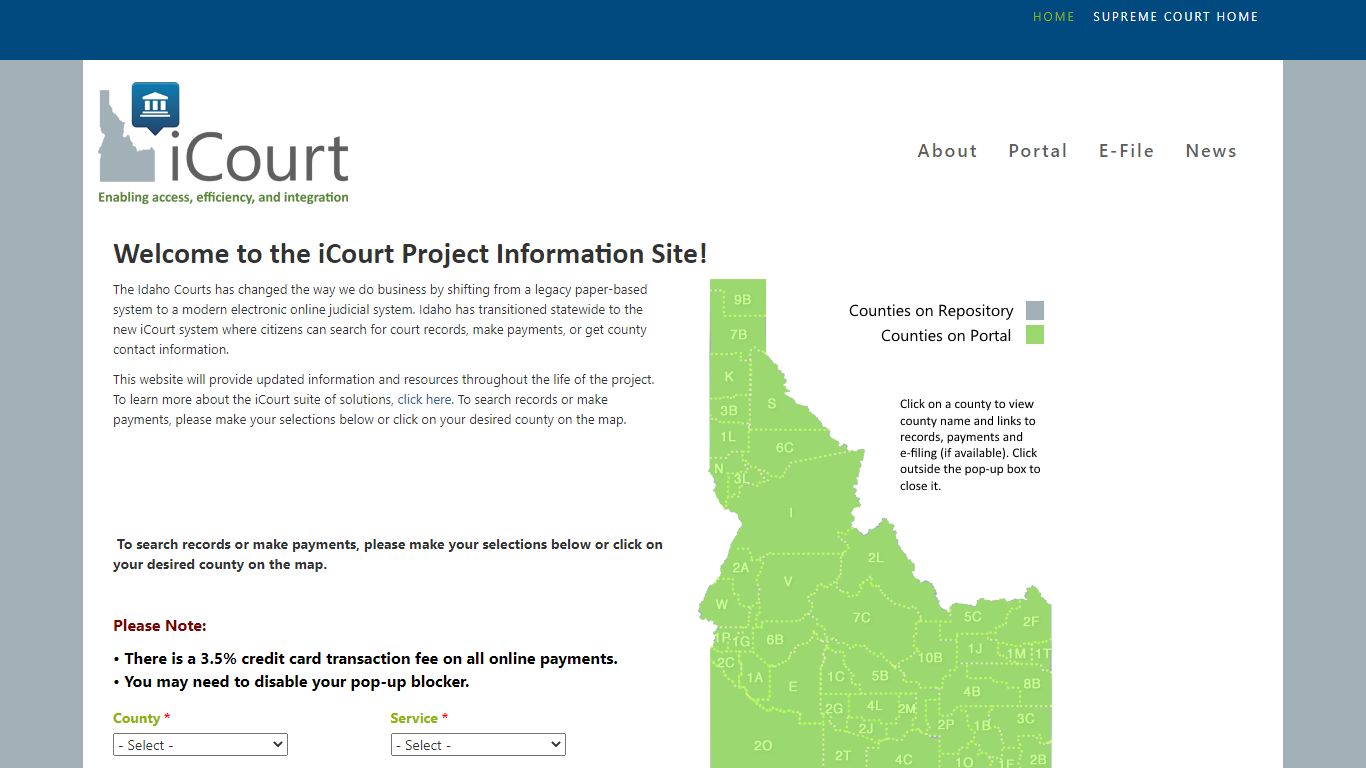
The icourts-search portal acts as a single entry point for all court-related tasks in Idaho. Instead of visiting multiple county websites or offices, people use one secure website to find civil, criminal, and family court records. Each search returns docket details like filing dates, case status, hearing schedules, and clerk actions. Payments go through a PCI-DSS-compliant processor, so credit card data stays safe. The system updates every day, so users see the most recent info. In fiscal year 2023, more than 250,000 payments were made online, each taking under two minutes on average.
Search Options on icourts-search
Users have three main ways to find a case: party name, docket number, or transaction ID. Searching by name shows all active and closed cases linked to that person. Docket numbers give exact matches for specific filings. Transaction IDs help track payments or document submissions. Results include case type, status, next hearing date, and any fees owed. The system also flags cases needing extra paperwork, so users know what to fix fast. All data comes from Idaho’s central court database, refreshed nightly.
Mobile Access and Compatibility
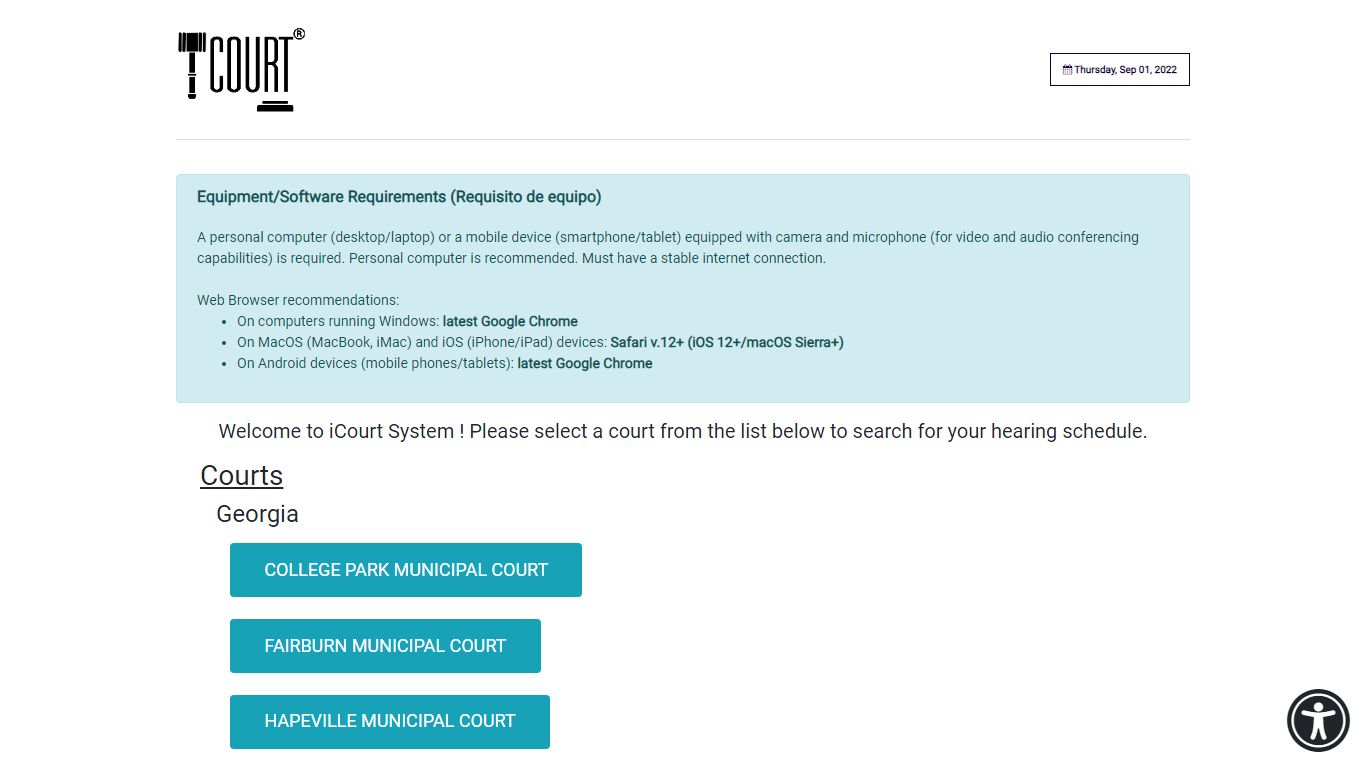
icourts-search works on phones and tablets through Google Chrome. The layout adjusts to small screens, showing only key info first. Users pick their county from a dropdown menu, then enter search terms. Push notifications alert users about upcoming hearings or missing documents. No app download is needed—just open Chrome and go to the official site. The mobile version supports full payment processing, so fines or fees can be settled anywhere with internet access.
Security and Privacy Features
All transactions on icourts-search use encryption and follow federal privacy rules. Personal data like Social Security numbers or juvenile records are never shown. Only authorized court staff can see sensitive files. The system logs every login and search, helping prevent misuse. Payments are processed through a certified gateway that meets banking security standards. Users get confirmation emails after payments, with receipts stored in their account history.
Integration with State Databases
icourts-search links directly to the Idaho State Police warrant system. This lets courts check if someone has an active warrant or protective order in seconds. Judges and clerks use this to make faster decisions during hearings. The connection also helps law enforcement verify identities and case statuses without calling each other. All data exchanges happen over secure lines, so no info is exposed to hackers.
Comparison to Other State Systems
Other states have similar tools but differ in scope and features. Wisconsin’s portal holds over 3.5 million records and updates every night. California’s system covers 5 million cases and allows PDF downloads of orders. Pennsylvania filters out juvenile and expunged cases automatically. Washington refreshes its database daily at 3 a.m. Pacific Time. Unlike some states, icourts-search combines record lookup, payment, and alerts in one place—making it simpler for users.
Common Uses for icourts-search
People use icourts-search to check if they have pending tickets, verify child support payments, or prepare for court dates. Lawyers search for client cases and file motions online. Employers may look up background checks (where allowed by law). Landlords sometimes check eviction histories. Anyone can use it to stay informed about local court activity. The system is free to search; fees only apply when making payments or requesting certified copies.
Limitations and What’s Not Included
Not all records appear on icourts-search. Juvenile cases, sealed files, and some protective orders are hidden for privacy. Expunged records are removed completely. Some older cases before 2010 may not be digitized yet. Users should contact the county clerk directly if they can’t find what they need. Also, the site doesn’t offer legal advice—only official court information.
How to Get Help Using icourts-search
If users get stuck, each county clerk’s office lists phone numbers and email addresses on the portal. Most respond within one business day. For technical issues like login errors, the state IT team offers support Monday through Friday. A step-by-step guide is available in the help section. Users can also visit a courthouse in person for assistance—no appointment needed for basic questions.
Fees and Payment Methods
Filing fees vary by case type but start around $15 for small claims. Payments accept major credit cards and electronic checks. Users see exact amounts owed before confirming payment. Receipts are saved automatically and can be printed or emailed. Late fees apply if payments miss deadlines. Fee waivers are possible for low-income users—forms are downloadable from the site.
Recent Updates and Improvements
In 2024, icourts-search added two-factor authentication for added security. Users now get SMS alerts for hearing changes. The search engine improved to handle partial names and typos better. Mobile loading speed increased by 40%. Future plans include Spanish language support and voice search for hands-free use.
Why icourts-search Matters for Idaho Residents
Before 2022, people had to mail forms or visit courthouses in person—costing time and money. Now, everything is online 24/7. This saves Idaho taxpayers millions in administrative costs each year. It also makes the justice system more transparent. Anyone with internet access can monitor cases fairly and quickly.
Tips for First-Time Users
Start by picking your county from the dropdown. Use full names when searching—nicknames won’t work. If you don’t know the docket number, try the party name first. Check your spelling carefully. Save your login info so you don’t re-enter it each time. Set up alerts for important dates. Always log out on shared devices.
Legal Accuracy and Official Records
While icourts-search shows current info, only paper files at the courthouse count as official records. If there’s a conflict, the clerk’s copy wins. Users should download or print copies for personal use but know they’re not certified. For legal proof, request an official document from the clerk—usually for a small fee.
Accessibility Features
The site works with screen readers and keyboard navigation. Font sizes can be enlarged in browser settings. Color contrast meets federal standards for visibility. Audio descriptions aren’t available yet, but text-to-speech tools in Chrome can read pages aloud. Users with disabilities can call the clerk for phone-based help.
Data Retention and Archive Policy
Active cases stay online until resolved. Closed civil and criminal cases remain searchable for 10 years. After that, they move to state archives. Some high-profile cases may stay public longer. Users can request older records by contacting the State Historical Society or county clerk.
Impact on Legal Professionals
Lawyers use icourts-search to track opposing parties, check deadlines, and file documents without trips to the courthouse. Judges review filings faster thanks to digital dockets. Paralegals save hours on research. The system reduces errors from lost paperwork and speeds up case resolution.
Public Trust and Transparency
By making court data easy to find, icourts-search builds confidence in Idaho’s justice system. People see how cases move, who pays fines, and when hearings happen. This openness discourages corruption and encourages accountability. Annual reports show usage stats and user satisfaction scores—all posted publicly.
Future Developments
Planned upgrades include AI-powered search suggestions, multilingual interfaces, and integration with federal PACER for cross-state cases. The goal is a fully paperless court system by 2026. User feedback drives these changes—surveys are sent quarterly to gather ideas.
How icourts-search Compares Nationally
Nationally, Idaho ranks among the top 10 states for digital court access. Its single-portal model is simpler than systems requiring multiple logins. Unlike Texas or New York, Idaho doesn’t charge per search—only for payments. Response times beat the national average by 30%. User reviews praise its ease of use.
Common Mistakes to Avoid
Don’t assume all cases appear instantly—some take 24 hours to upload. Never share your login with others. Avoid public Wi-Fi for payments; use home networks instead. Don’t ignore alert emails—they often signal urgent deadlines. Always double-check names and dates before submitting forms.
Role in Emergency Situations
During natural disasters or pandemics, icourts-search kept courts running when offices closed. Virtual hearings were scheduled through the portal. Users paid fees and submitted docs remotely. This proved critical during the 2023 floods, when three counties lost power but court business continued online.
Environmental Benefits
Going paperless saved over 12 tons of paper in 2023 alone. Fewer courier trips reduced carbon emissions by an estimated 85 metric tons yearly. Digital storage uses less energy than physical archives. Idaho courts now meet state sustainability goals ahead of schedule.
Training and Education Resources
Free webinars teach seniors, small business owners, and nonprofits how to use icourts-search. Schools include it in civics classes. Libraries offer one-on-one coaching. All materials are free and available in print or video format.
Official Contact Information
For help with icourts-search, contact your local county clerk. Phone numbers and hours are listed on the portal. The main administrative office is at 650 W State St, Boise, ID 83702. Call (208) 334-3300 Monday–Friday, 8 a.m.–5 p.m. Mountain Time. Walk-ins welcome during business hours.
Frequently Asked Questions
Below are common questions about icourts-search, answered clearly and simply based on current policies and user experiences.
Can I use icourts-search to look up someone else’s court records?
Yes, but only if the case is public. Most civil, criminal, and family cases are visible unless sealed by a judge. Juvenile records, protective orders, and expunged files are never shown. You don’t need permission to search—just enter the person’s full name or case number. However, using this info to harass or discriminate is illegal. Always respect privacy and follow state laws.
Why can’t I find my case on icourts-search?
Your case might not be uploaded yet—new filings take up to 24 hours to appear. Check your spelling or try a different search method (like docket number). Some older cases before 2010 aren’t digitized. If you still can’t find it, call your county clerk. They can check manual logs or help with special requests. Never assume the system is wrong—human error in data entry happens rarely but does occur.
Is it safe to pay court fees online through icourts-search?
Yes. Payments use a PCI-DSS-certified processor, meaning your card details are encrypted and never stored. The site shows a padlock icon in the browser bar during checkout. Receipts are emailed instantly and saved in your account. If a payment fails, you’ll get an alert within minutes. For extra safety, avoid public Wi-Fi and log out after paying.
How often is icourts-search updated?
The database refreshes every night at 2 a.m. Mountain Time. This includes new filings, payment updates, and hearing changes. Real-time features like warrant checks connect directly to police systems, so those are instant. Weekend filings appear Monday morning. You’ll always see info no older than 24 hours.
Can lawyers file documents through icourts-search?
Yes. Attorneys with bar numbers can create accounts to submit motions, briefs, and evidence. The system tracks submission times and confirms receipt. Judges review digital filings faster than paper. Lawyers also get priority alerts for deadlines. Training videos and FAQs are available in the professional section of the portal.
What happens if I miss a payment deadline on icourts-search?
Late fees apply immediately—usually $25 or 10% of the original amount, whichever is higher. Your case may be flagged for dismissal or warrant issuance. Set up email or SMS alerts to avoid this. If you paid but the system doesn’t show it, contact the clerk with your receipt. Most issues resolve within one business day.
Does icourts-search work on iPhones?
Yes, through Safari or Chrome. The layout adjusts for iOS screens. Push notifications require enabling browser permissions. Some older iPhone models may load slower, but all functions work. No app is needed—just bookmark the official site. For best results, update your phone’s operating system regularly.